
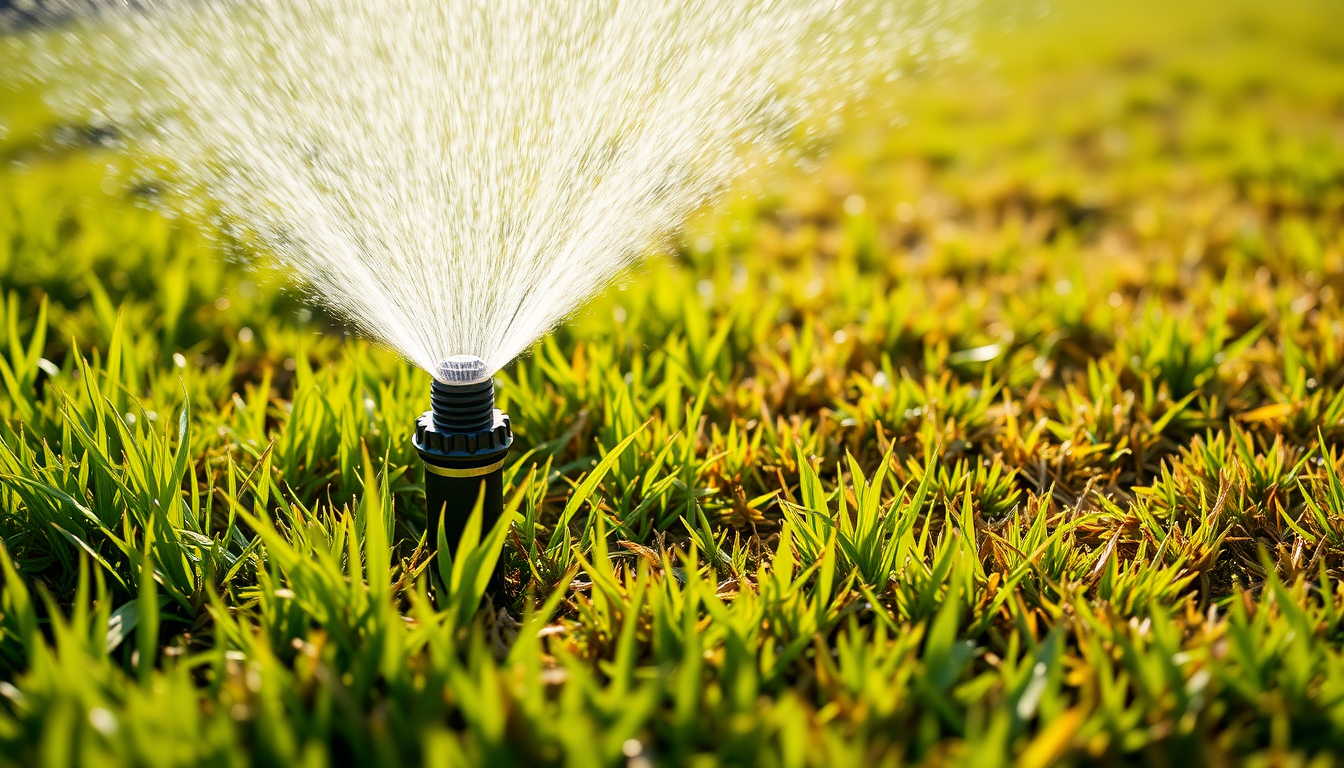
Portland-area water providers typically issue voluntary conservation guidance during the driest, hottest stretch of summer, encouraging efficient watering rather than imposing the hard restrictions seen in more drought-prone parts of the country. (Guidance varies by city and water provider — always check your specific municipality's current recommendations.)
Why Cool-Season Grass Handles Dry Spells Differently
Our cool-season lawns respond to summer drought by going semi-dormant and turning a straw-brown color — that's a survival strategy, not death. A dormant lawn typically greens back up within a week or two of returning fall rain. Understanding this changes the whole approach to summer watering: you're not necessarily fighting to keep the lawn green all summer, you're deciding whether dormancy is an acceptable trade-off for using less water.
If You Do Water
Deep, infrequent watering — enough to soak several inches down, once or twice a week — grows deeper, more resilient roots than a light daily sprinkle, which mostly wets the surface and encourages shallow roots that struggle the moment watering stops.
If You Don't
Letting the lawn go dormant through peak summer is a completely normal, low-water choice here — as long as mowing height stays up and the lawn isn't stressed further by scalping or heavy foot traffic while it's dormant.
Either Way, Fall Resets Everything
Whatever you decide for summer, returning fall rain and the fall aeration-and-feeding window is what actually rebuilds the lawn's strength for the year ahead.